Introduction to Bodybuilding
Mal Felix, IFBB Professional Bodybuilder • February 10, 2025
Building a Solid Foundation
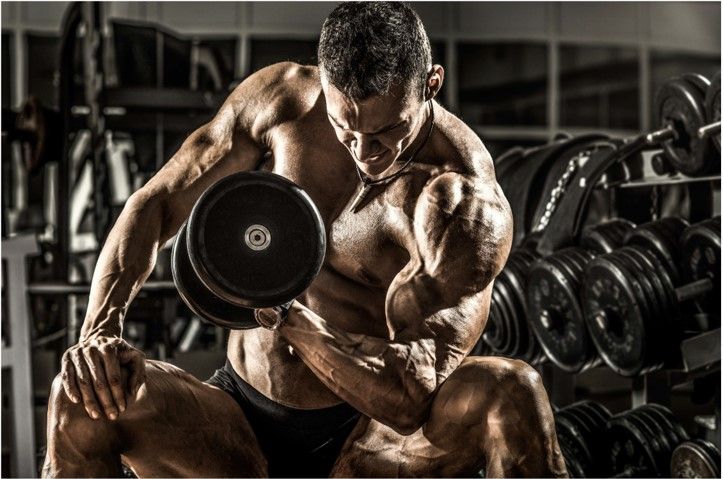
Introduction
Starting your bodybuilding journey can be both exciting and overwhelming. With so much information available, it’s crucial to begin with the right knowledge and mindset. Whether your goal is to build muscle, enhance strength, or improve overall aesthetics, understanding the basics will set you up for long-term success.
As a professional bodybuilder competing in the IFBB Federation, I’ve built my career on these foundational principles. Even at the highest level, the basics matter—from training and nutrition to recovery. While my training and diet are more intensive now, I started just like everyone else, learning these fundamentals and applying them consistently. This guide will help you lay a solid foundation for your bodybuilding journey.
1. What is Bodybuilding?
Bodybuilding is the practice of developing muscle through resistance training, proper nutrition, and disciplined recovery. The primary goal is to enhance muscle size, symmetry, and definition.
Unlike general fitness, which focuses on overall health, or powerlifting, which emphasizes maximal strength in specific lifts, bodybuilding is about sculpting the body for aesthetic appeal. Strength gains and endurance are important, but the main focus is on muscle growth (hypertrophy) and reducing body fat for better definition.
When I started bodybuilding, I didn’t just lift weights randomly—I had to learn the art of muscle building through structured workouts, discipline, and patience.
2. Setting Realistic Goals
To stay motivated and track progress effectively, setting SMART goals is essential:
• Specific – Clearly define what you want to achieve (e.g., gain 10 pounds of muscle).
• Measurable – Track progress through weight, body measurements, and strength gains.
• Achievable – Set realistic targets based on your experience level and genetics.
• Relevant – Align your goals with your motivation (e.g., improved physique, increased strength).
• Time-bound – Establish a timeline to stay accountable.
When I first started, my short-term goal was to gain muscle and improve my symmetry, but over time, my long-term goal became stepping on the IFBB stage and competing at the highest level. The key was staying consistent and gradually pushing my limits.
3. Understanding Body Composition
Bodybuilding is about balancing muscle growth and fat loss. Here are key factors:
• Muscle Growth (Hypertrophy): Happens when muscles are placed under progressive resistance, leading to micro-tears that repair and grow stronger.
• Fat Loss: Achieved by maintaining a slight caloric deficit while preserving muscle through strength training.
• Role of Genetics: Genetics influence factors like muscle shape, growth potential, and fat distribution. While you can’t change genetics, consistency in training and diet helps maximize your potential.
When I started, I noticed that my shoulders and arms grew faster than other muscle groups. Instead of using genetics as an excuse, I prioritized my weaker areas (like legs and back) with more volume and strategic training. Over time, I transformed my physique by working on my weaknesses.
4. Essential Components of Bodybuilding
Training
• Types of Exercises: Compound (e.g., squats, deadlifts, bench press) vs. isolation (e.g., bicep curls, leg extensions).
• Frequency: Beginners should aim for 3-4 training sessions per week, gradually increasing as experience grows.
• Intensity: Progressive overload (gradually increasing weight or reps) is key for muscle growth.
Even as a professional bodybuilder, these basics still apply. The only difference is that my workouts are more intense, higher volume, and more frequent. But the core principles—progressive overload, compound movements, and proper form—remain the same.
Nutrition
• Macronutrients:
o Protein: Essential for muscle repair and growth (aim for 0.8–1.2 grams per pound of body weight).
o Carbohydrates: Provide energy for workouts and recovery.
o Fats: Important for hormone regulation and overall health.
• Meal Planning: Balanced meals with whole foods, lean proteins, complex carbs, and healthy fats.
• Hydration: Drink plenty of water to support performance and recovery.
As a competitor, my diet is much stricter during prep for a show, but when I was starting out, I focused on eating clean, hitting my macros, and staying consistent. Nutrition is just as important as training, and without it, muscle growth won’t happen.
Recovery
• Rest Days: Allow muscles to repair and grow. Overtraining can lead to injuries and burnout.
• Sleep: Aim for 7-9 hours per night to support muscle recovery and hormone regulation.
Even at the professional level, recovery is key. I train intensely, but if I don’t rest, my muscles won’t grow. Sleep, proper hydration, and active recovery techniques keep me at my peak performance.
5. Common Challenges and How to Overcome Them
Gym Intimidation
• Start with a plan and familiarize yourself with equipment.
• Consider training with a partner or hiring a personal trainer for guidance.
I remember feeling overwhelmed when I first started. Seeing experienced lifters in the gym made me feel like I didn’t belong. But everyone starts somewhere, and once I focused on my own progress, my confidence grew.
Managing Time and Consistency
• Schedule workouts like appointments.
• Focus on quality over quantity – even 45-minute sessions can be effective.
• Stay consistent and track progress to stay motivated.
Balancing life, work, and training can be tough. But I made bodybuilding a priority and scheduled my workouts just like any other important task. Over time, it became a lifestyle, not just a hobby.
Conclusion
Taking the first step in bodybuilding is often the hardest, but with the right mindset, knowledge, and consistency, you’ll see progress over time.
Even as an IFBB competitor, I still apply these same foundational principles—training smart, eating right, and prioritizing recovery. Don’t hesitate to seek support from personal trainers, online communities, or group fitness classes.
Start small, stay dedicated, and enjoy the journey of transforming your body!
Mal Felix is an IFBB Professional Bodybuilder and member of
and will be writing bodybuilding content for us. Stay tuned!
More Recent Posts
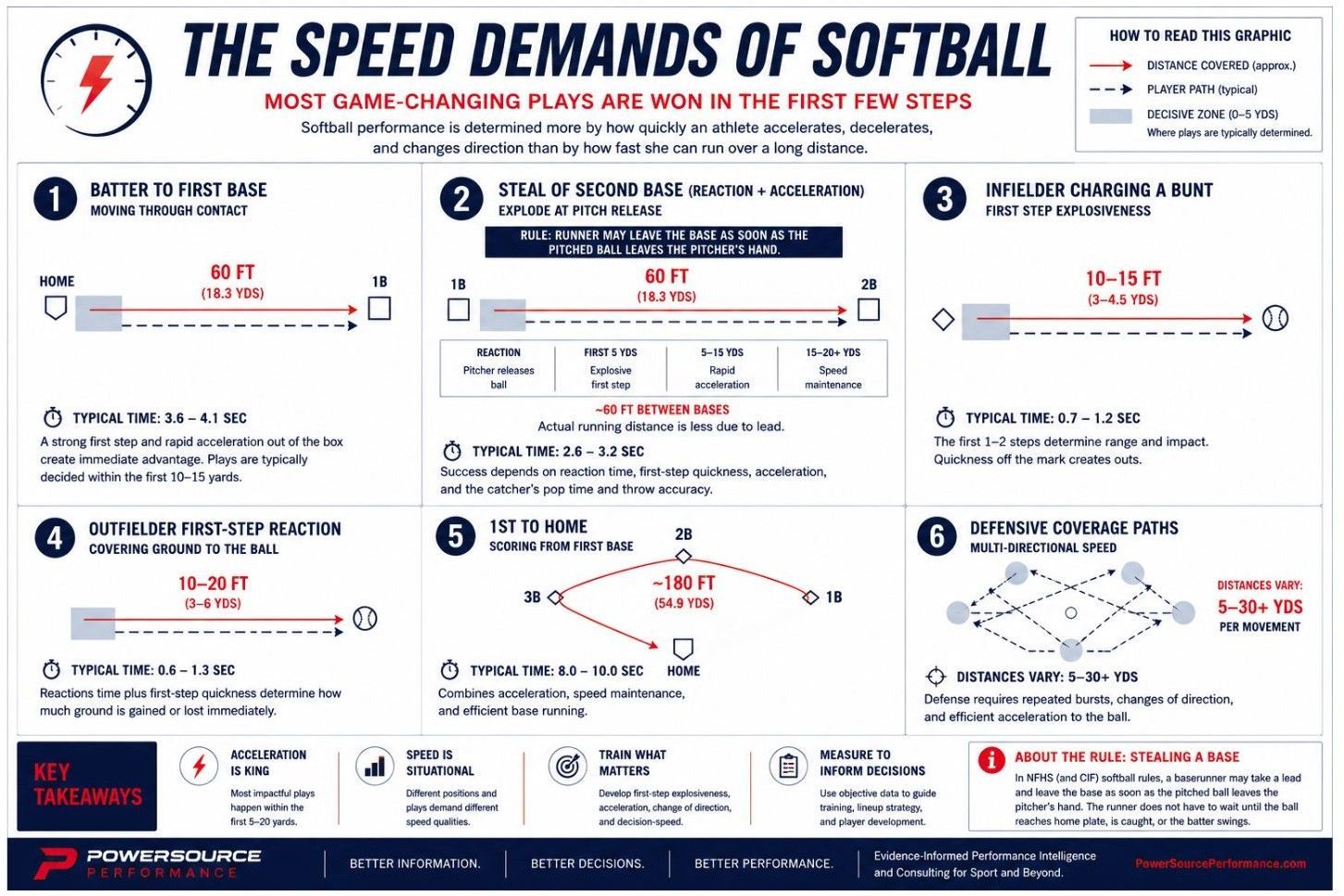
Why the First Few Steps Matter More Than Top Speed in Softball
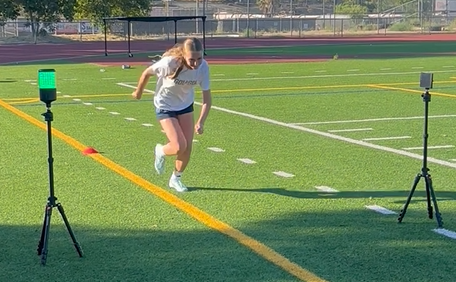
Great acceleration isn't just running fast. Learn what elite first steps look like and how objective testing reveals exactly where your athlete can improve.

The 40-yard dash measures more than one number. Learn how 10- and 20-yard splits reveal acceleration, speed, and the data that drives smarter training.