
Hydration in Athletes
Amber Hadfield • March 10, 2025
WHY HYDRATION MATTERS
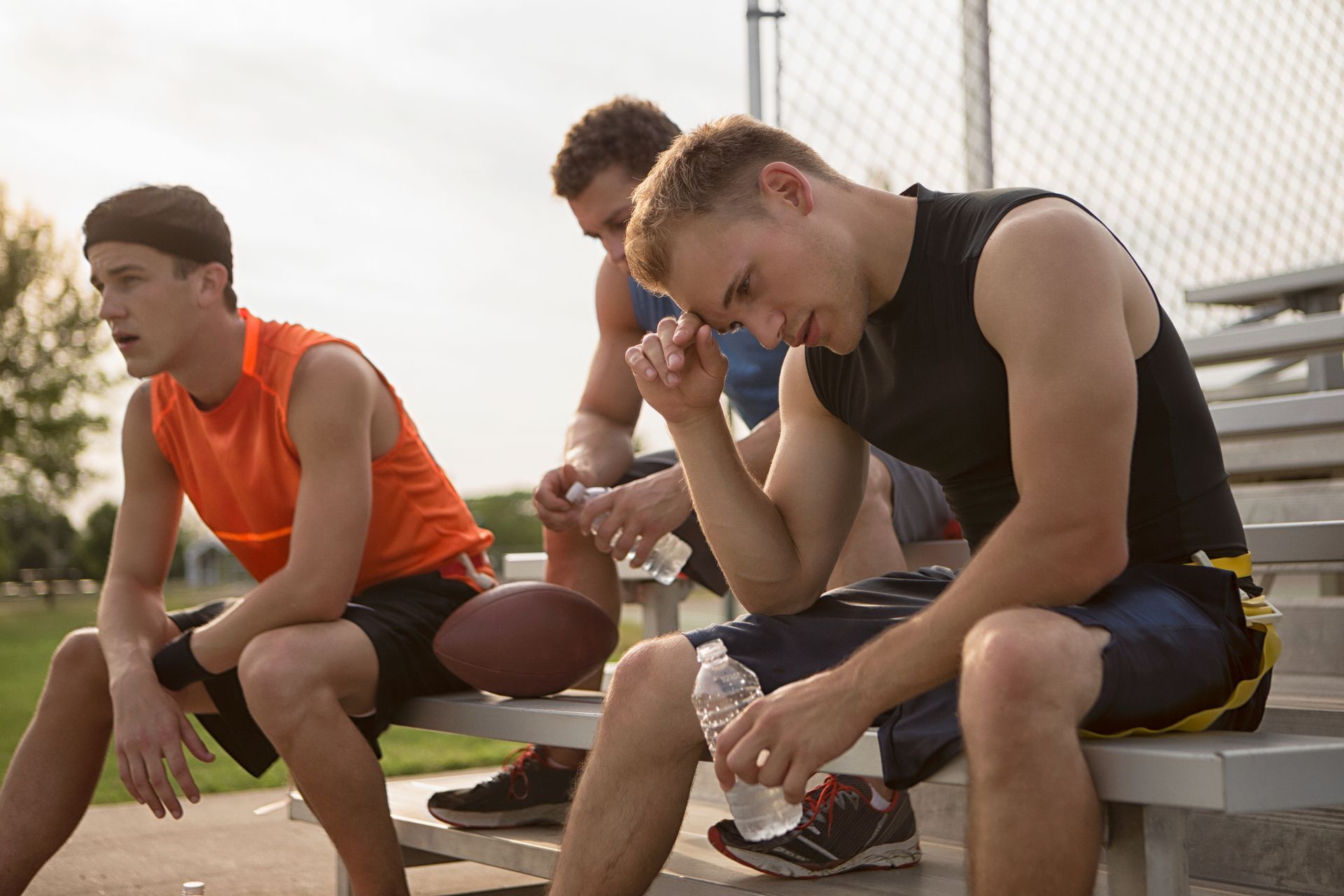
Proper hydration is essential for athletic performance, recovery, and overall health. Even mild dehydration—just 2% of body weight—can reduce strength, endurance, and cognitive function, making it harder to perform at peak levels. Hydration regulates body temperature, supports joint and muscle function, and helps prevent cramps and injuries. It also ensures efficient nutrient transport, delivering oxygen and essential nutrients to muscles while aiding in digestion and waste removal. Maintaining proper fluid balance supports circulation, enhances muscle recovery, and reduces the risk of heat-related illnesses like heat exhaustion or stroke. By prioritizing hydration, athletes can optimize endurance, performance, and overall well-being.
HOW MUCH WATER DO ATHLETES NEED?
DAILY NEEDS: General guidelines suggest 3.7l (men) and 2.7l (women) per day, but athletes often need more.
PRE-EXERCISE: ~16-20 OZ 2-3 hours before exercise.
DURING EXERCISE: ~7-10 OZ Every 10-20 minutes, depending on sweat and intensity.
POST-EXERCISE: ~16-24 OZ Per every 2-3 hours of activity.
WHAT ARE ELECTROLYTES AND WHAT DO THEY DO?
Electrolytes are essential minerals (sodium, potassium, calcium, magnesium, and chloride) that help regulate key bodily functions. They maintain fluid balance, support nerve signaling, and aid in muscle contractions, all of which are crucial for athletic performance and recovery.
ELECTROLYTE LOSS AND REPLENISHING
Sweating is the primary way athletes lose electrolytes, with sodium being the most significant loss. High-intensity workouts, endurance training, and hot weather increase sweat rates, making electrolyte replenishment essential. A proper hydration strategy goes beyond just drinking water—electrolyte-rich drinks are essential for maintaining balance, especially during intense training or in hot conditions. While sports drinks and electrolyte powders can be helpful, it's best to choose low-sugar options that provide key minerals like sodium, potassium, and magnesium. Natural sources such as bananas for potassium, dairy for calcium, nuts for magnesium, and salt for sodium can also support electrolyte balance through diet.
Hydration Tips for Athletes
- Start your day hydrated – Don’t wait until you're thirsty, sip water throughout the day.
- Monitor urine color – Light yellow = well-hydrated, dark yellow = drink more!
- Weigh yourself before and after training – Replace every pound lost with 16-24 oz of fluid.
- Use hydration apps or reminders – Stay on top of your intake.
- Adjust for climate and intensity – Hot weather? Increase fluid and electrolyte intake accordingly.
Final Thoughts
Hydration isn’t just about drinking water, it’s about maintaining fluid balance, replenishing electrolytes, and fueling performance. Athletes who take hydration seriously recover faster, perform better, and stay healthier overall. Make hydration a daily priority, and your body will thank you!
More Recent Posts
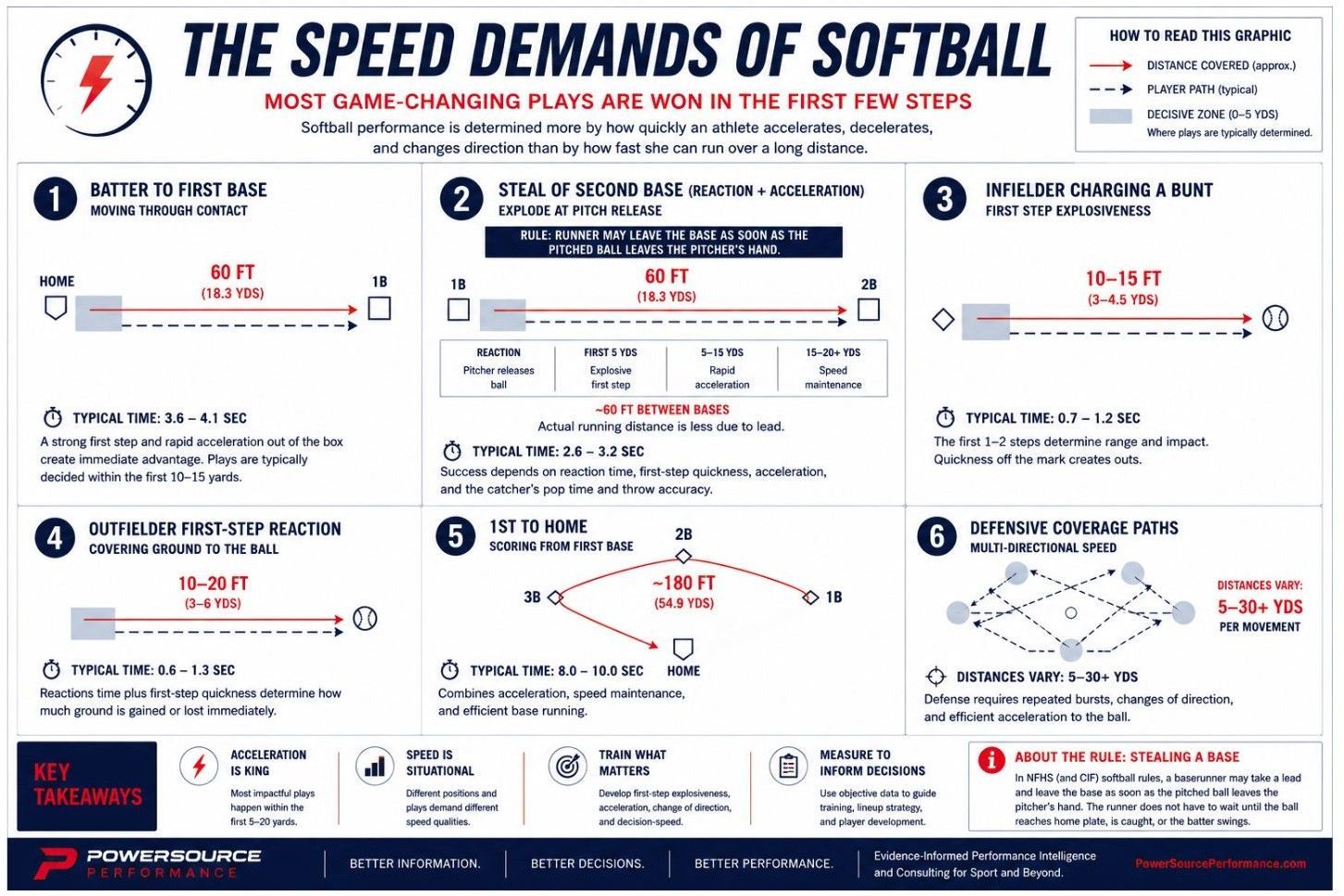
Why the First Few Steps Matter More Than Top Speed in Softball
Great acceleration isn't just running fast. Learn what elite first steps look like and how objective testing reveals exactly where your athlete can improve.

The 40-yard dash measures more than one number. Learn how 10- and 20-yard splits reveal acceleration, speed, and the data that drives smarter training.