Athletes
Tailoring Training to Baseball’s Calendar
How to Train Through the Off-Season, Pre-Season and In-Season
Eric Campbell · Feb 8, 2025 · 3 min read
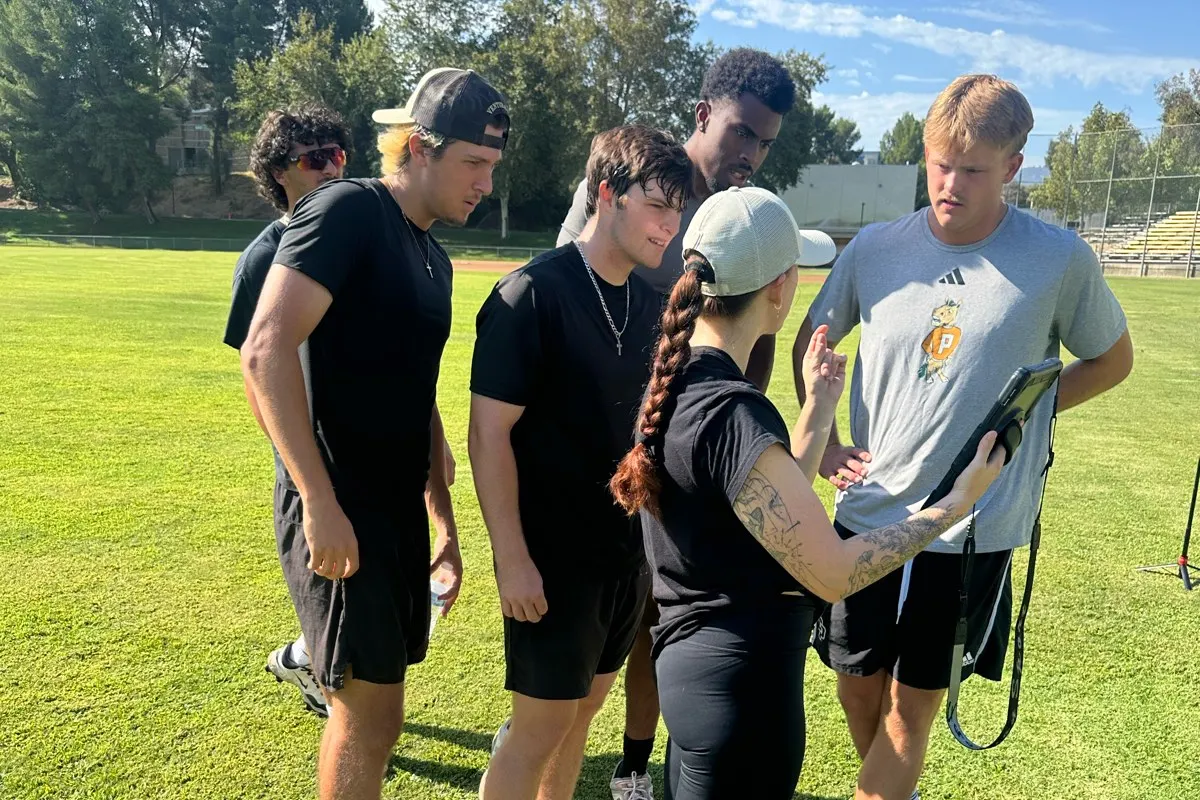
In baseball, peak performance comes from preparing with a plan. Each phase of the year offers its own chance to build strength, refine skills, and improve overall athleticism. At PowerSource Performance Fitness & Barbell Club, we design our strength and conditioning programs around baseball’s demanding calendar, so athletes can reach their maximum potential while minimizing injury risk.
The Baseball Training Seasons
To train well, you have to understand the baseball calendar. Typically, a year is divided into three primary phases:
1. Off-Season: Building strength, improving mobility, and correcting imbalances.
2. Pre-Season: Transitioning to sport-specific drills and ramping up intensity.
3. In-Season: Maintaining performance levels while avoiding overtraining.
Here is how each phase applies to high school and travel team athletes, and what to adjust.
Off-Season: Building the Foundation
The off-season is the cornerstone of any successful baseball training plan. The focus in this phase is on developing strength, power, and endurance while addressing individual weaknesses. Depending on the athlete’s age, body composition should be realistically assessed.
Key Objectives:
- Strength Training: Develop foundational strength through compound movements like squats, deadlifts, and presses. These lifts improve force production, which is critical for explosive actions like hitting and pitching.
- Mobility Work: Prioritize flexibility and joint stability, especially in the shoulders, hips, and thoracic spine.
- Injury Prevention: Include exercises that address muscle imbalances and strengthen stabilizing muscles.
Example Program:
- Heavy resistance training 3-4 days a week.
- Mobility-focused sessions 2-3 times a week.
- Low-intensity cardio to support recovery and general conditioning.
Pre-Season: Preparing for Performance
As the season approaches, the training focus shifts to baseball-specific movements, speed, and power. Athletes move from building a foundation to applying their gains in game-like scenarios.
Key Objectives:
- Sport-Specific Drills: Include rotational power exercises, sprint mechanics, and agility work.
- Power Development: Use plyometrics and Olympic lifts to build explosiveness.
- Conditioning: Mimic the demands of baseball with high-intensity interval training (HIIT).
Example Program:
- Two days of strength training with reduced volume but higher intensity.
- Plyometric drills and explosive med ball throws.
- Sprint intervals and change-of-direction drills.
High school schedules leave only a short pre-season, and it can fill up with out-of-town tournaments and a needed break after the full fall game schedule that is typical in Southern California. For “feeder” travel teams (eighth graders who will be high school freshmen in a year), there is no need to change the strength and hypertrophy parts of the program.
In-Season: Maintaining and Sustaining
During the season, the primary goal is to maintain strength and mobility while managing the physical toll of practices and games. Overtraining can lead to fatigue, reduced performance, and increased injury risk.
Key Objectives:
- Load Management: Reduce training volume while maintaining intensity.
- Recovery: Focus on active recovery and mobility work to minimize stiffness and soreness.
- Consistency: Prioritize short, efficient workouts to fit into busy schedules.
Example Program:
- Strength training 1-2 times a week focusing on maintenance.
- Dynamic stretching and mobility routines before games.
- Light conditioning to maintain endurance without overexertion.
The high school season is a grind. Games, practices, classwork, family and social life make it difficult to get into a routine for strength and conditioning training. This is where time management skills are a must. If you are serious about playing baseball or softball after high school, holding on to your off-season strength gains through the season will make you a strong finisher and keep you on the path to your goals.
Why Seasonal Adjustments Matter
Adapting training to the baseball calendar keeps athletes performing at their best while avoiding burnout or injury. A structured, progressive approach builds resilience and confidence, and that gives players the competitive edge they need on the field.
The spring season is where that preparation is tested. Baseball America, in its ranking of the 2025 Top MLB Draft Prospects, described how much can change for a player in one spring:
“The spring season for amateur players is critical and each year there’s plenty of movement on the draft board as players unlock new gears, sharpen skills, add physicality, get injured or regress.”
At PowerSource Performance Fitness & Barbell Club, we specialize in customized programs for high school baseball players, travel teams, and more. Our coaches can guide you at any point in the year, from the off-season to the run-up to playoffs.